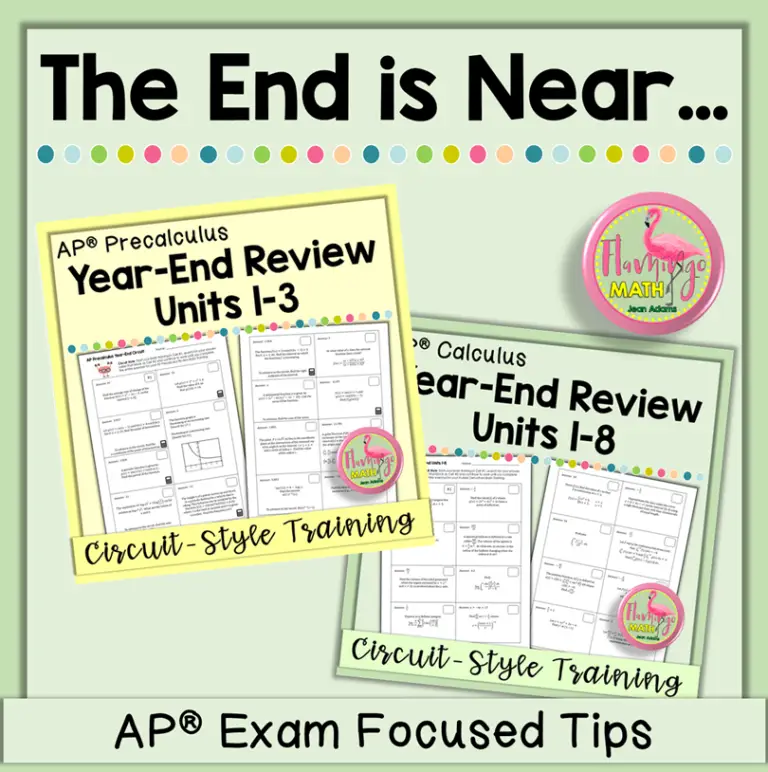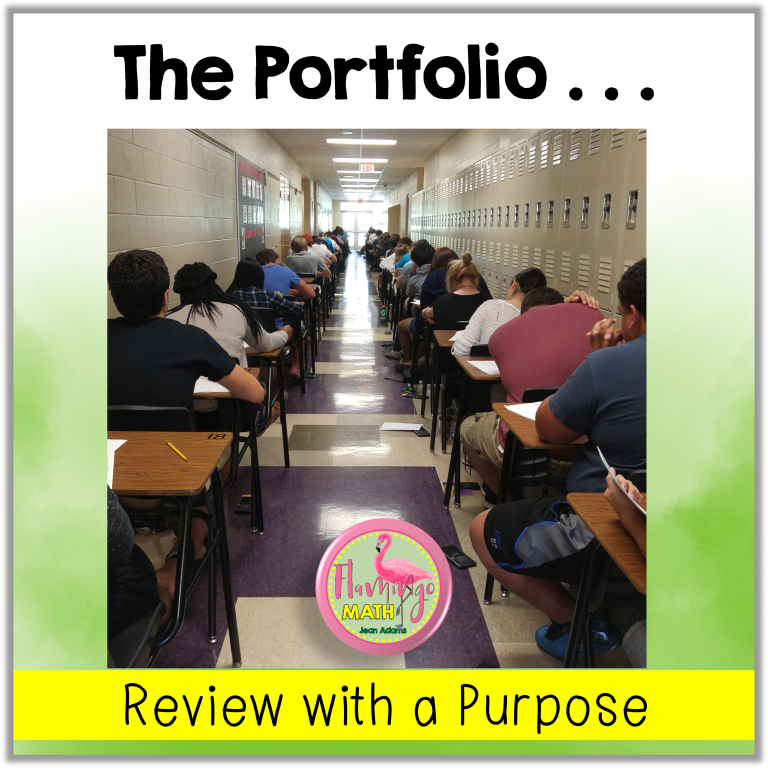
The days of the “one-size-fits-all” review packet are numbered. In secondary math classrooms, our students often possess a wide spectrum of confidence and mastery. I you are providing a single list of thirty problems this can lead to two outcomes: burnout for those who understand the material and paralysis for those who don’t.
Enter the Choice Board. This student-centered strategy transforms the review process from a chore into a personalized learning path. By giving students control over how they demonstrate their knowledge, you increase engagement and provide natural differentiation without creating five different lesson plans.
What is a Math Choice Board?
A choice board is a graphic organizer—often a 4 x 4 grid—that presents various activities students can complete to review a specific unit or prepare for a high-stakes exam. Students might be required to complete four in a row (Tic-Tac-Toe style) or choose one task from each row to ensure they hit different “difficulty” or “topic” tiers.
Why It Works for Secondary Math
- Autonomy: High schoolers, in particular, crave independence. Allowing them to choose between a Desmos activity, a peer-teaching session, or a traditional problem set gives them a sense of ownership.
- Differentiation by Design: You can categorize your board by Bloom’s Taxonomy or by specific standards.
- Metacognition: To choose the “right” square, students must first assess their own strengths and weaknesses.
Designing Your Board: The “Menu” Approach
When building your board, consider categorizing tasks into three distinct “flavors”:
1. The Skill Builders (Procedural Fluency)
These squares focus on the “how.” They are perfect for students who need to solidify their algorithmic steps.
- Example: Solve five complex multi-step equations and check your work using a graphing utility.
- Example: Create a “Common Mistakes” poster for finding the derivatives of inverse functions.
2. The Conceptual Thinkers (Deep Understanding)
These tasks ask “why” and require students to connect different mathematical ideas.
- Example: Use a Venn Diagram to compare and contrast the characteristics of Polar and Parametric graphs.
- Example: Write a “Math Biography” for a specific function, describing its domain, range, asymptotes, and end behavior.
3. The Innovators (Application)
These squares ask students to apply math to the real world or create something new.
- Example: Model a real-world sinusoidal relationship (like tides or a Ferris wheel) and write the corresponding equation.
- Example: Record a 60-second “TikTok-style” tutorial explaining a difficult concept like the Chain Rule.
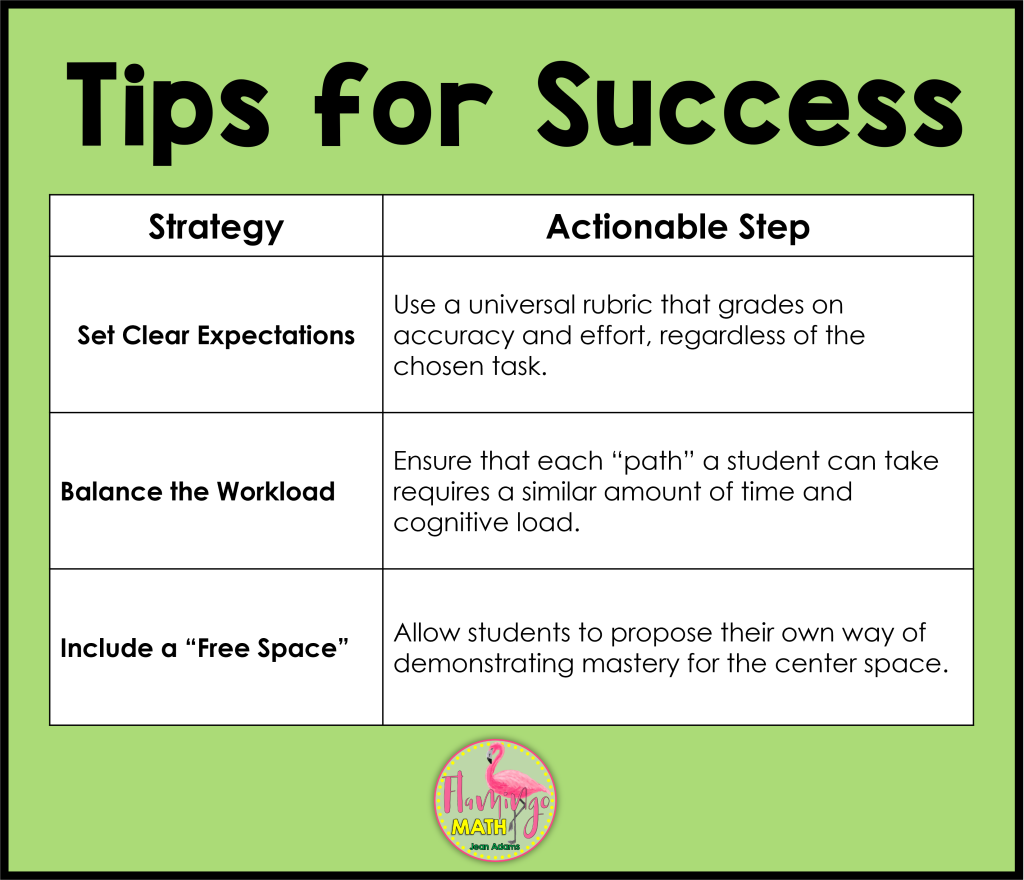
Don’t Miss a Chance to the Teacher Appreciation Week Gift!
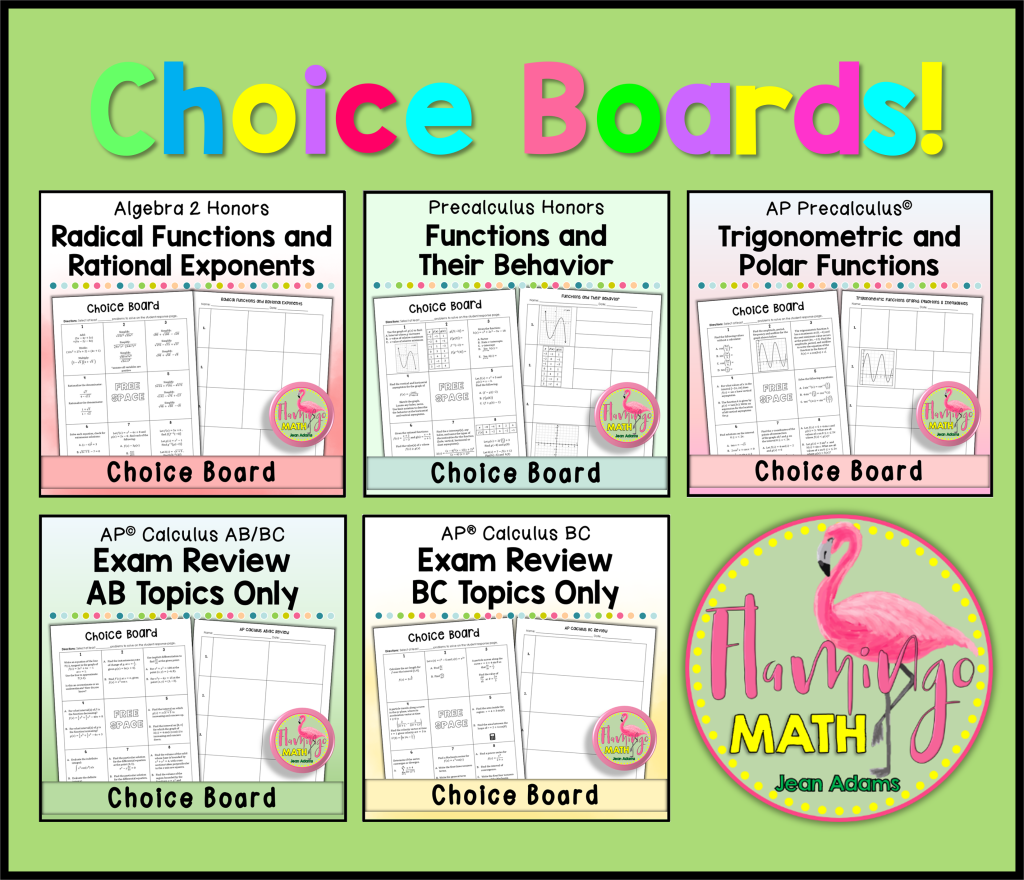
During Teacher Appreciation Week May 4-8, 2026, we will be giving away 5 levels of Review Choice Boards. Be sure to save your seat at the table by subscribing to our newsletter… and then… check your email on Tuesday May 5th!
Final Thoughts
Transitioning to choice boards doesn’t mean you stop teaching; it means you shift into the role of a facilitator. While your students are busy “frolicking” through their chosen tasks, you are free to pull small groups for targeted intervention or check-in with individual students on their progress.
By offering a seat at the table in the decision-making process, you turn a stressful review day into a productive, energetic environment where every student can find a path to success.
Watch for these to be coming your way (May 5th, 2026) when you subscribe to our newsletter!
Happy Choices!
Jean